
Biggest esports tournaments capture the essence of competitive gaming, showcasing the extraordinary talent and dedication of players from around the globe. These events not only offer monumental prize pools but also highlight the most popular games that have become staples in the esports community.
As the esports landscape has evolved over the years, these tournaments have transformed into massive spectacles, drawing in millions of viewers and creating a cultural phenomenon that rivals traditional sports. From MOBA to FPS genres, the variety of games featured caters to diverse audiences, making esports a unique and inclusive arena.
Overview of the Biggest Esports Tournaments
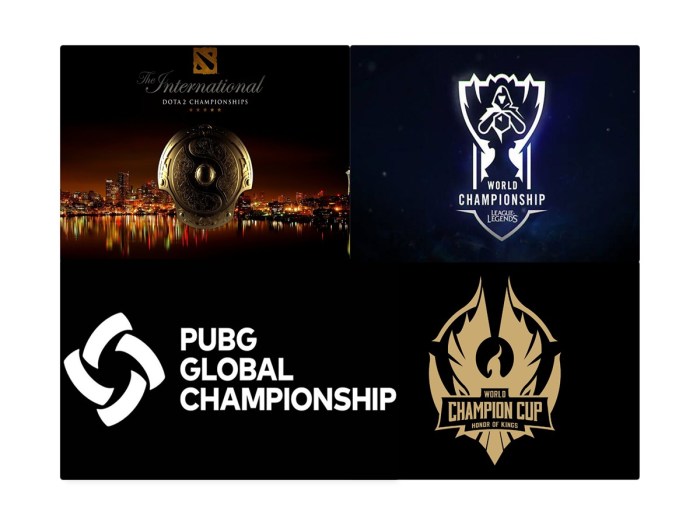
Esports have evolved into a global phenomenon, attracting millions of viewers and participants alike. Major tournaments are at the heart of this growth, showcasing top-tier talent and offering enormous prize pools. These events not only celebrate competitive gaming but also serve as a platform for the most popular games in the industry.The largest esports tournaments in the world include events such as The International for Dota 2, League of Legends World Championship, and the Fortnite World Cup.
These tournaments not only bring together the best players but also feature impressive prize pools that can reach millions of dollars, attracting attention from sponsors and fans worldwide. The games featured in these events span various genres, including MOBAs, battle royale, and first-person shooters, catering to a diverse audience.
Historical Context of Esports Tournaments
The evolution of esports tournaments reflects the growth of gaming as a competitive sport. The first major tournaments can be traced back to the early 1970s, with events like the “Intergalactic Spacewar Olympics.” However, it wasn’t until the late 1990s and early 2000s that esports began to gain significant traction with the rise of online gaming.Key milestones include the establishment of professional leagues, such as the World Cyber Games and the Electronic Sports World Cup, which laid the groundwork for future events.
Early tournaments significantly influenced the current landscape of competitive gaming, setting standards for organization, sponsorship, and audience engagement.
Popular Games in Esports Tournaments
Certain games consistently dominate the esports scene, becoming staples in large tournaments. The most notable among these include:
- Dota 2: Renowned for its strategic complexity and team dynamics, it features The International, boasting some of the largest prize pools in esports history.
- League of Legends: With its massive player base, it hosts the League of Legends World Championship, attracting millions of viewers each year.
- Counter-Strike: Global Offensive: A staple first-person shooter that has a vibrant competitive scene and numerous tournaments worldwide.
- Fortnite: Known for its battle royale format, it gained immense popularity with its World Cup, showcasing diverse gameplay styles.
Different genres cater to various audiences, from strategy games to action-packed shooters, ensuring a broad appeal. Player participation varies, with large tournaments often featuring thousands of competitors from around the globe.
Online Games and Their Relation to Esports
Online games are fundamental to the growth of esports tournaments. They provide accessible platforms for players to compete, practice, and showcase their skills. Popular online games that feature esports competitions include titles like Fortnite, League of Legends, and Valorant.The accessibility of online games has significantly boosted tournament participation. Players can easily join competitions from their homes, and the rise of streaming platforms has further enhanced visibility and engagement, allowing fans to connect with their favorite games and players.
Demographics of Esports Participants
Esports attract a diverse demographic, with players from various age groups and genders. Recent studies show that:
- Approximately 60% of esports players are male, but the participation rate of females is steadily increasing.
- Kids and teenagers make up a significant portion of the player base, contributing to the growing popularity of esports among younger audiences.
- Participation rates vary significantly across regions, with Asia leading in player engagement followed by North America and Europe.
This shift indicates a broadening appeal, with more inclusive initiatives aimed at attracting girls and underrepresented communities.
Online Gaming Categories
Online games can be categorized by their target audience, which plays a critical role in their popularity. Below is a list of various online game types:
| Game Type | Description | Target Audience |
|---|---|---|
| MOBA (e.g., League of Legends) | Team-based strategy games focusing on teamwork and tactics. | Teens and young adults |
| Battle Royale (e.g., Fortnite) | Survival games where players compete to be the last one standing. | All ages, popular among kids |
| FPS (e.g., CS:GO) | Fast-paced shooting games emphasizing skill and reflexes. | Young adults and competitive gamers |
| Puzzle (e.g., Candy Crush) | Casual games that challenge problem-solving skills. | All ages, especially casual gamers |
These diverse gaming options cater to specific demographics, enriching the gaming landscape.
The Role of Sponsorships in Esports
Sponsorships play a crucial role in the success of esports tournaments. Major brands are increasingly investing in esports, recognizing its potential reach and engagement. Sponsors contribute significantly to the funding of tournaments, enhancing prize pools and improving the overall production quality of events.Examples of major brands involved in esports sponsorships include:
- Red Bull: Active in promoting various tournaments and player sponsorships.
- Intel: A key sponsor of esports events, providing technology and hardware.
- Monster Energy: Known for its involvement in competitive gaming communities.
The financial impact of sponsorships is substantial, as they allow for larger prize pools and improved tournament experiences.
Future Trends in Esports Tournaments
Emerging trends within the esports tournament scene indicate a bright future. The potential for new games entering the competitive arena is significant, with upcoming titles generating buzz within the gaming community. Technological advancements, such as virtual reality and improved streaming technology, are likely to affect the format and experience of esports tournaments. These innovations could lead to more immersive fan experiences and broader participation.
Social and Cultural Impact of Esports Tournaments
Esports tournaments have profoundly influenced gaming culture, shaping how communities engage with their favorite games. These events foster a sense of community among fans, offering unique experiences through live events and online interactions.Community engagement is highlighted during tournaments, where fans gather to support players, celebrate victories, and share in the excitement. Esports tournaments hold cultural significance comparable to traditional sports events, transcending borders and uniting fans worldwide.
Online Games: Diverse Options for Different Audiences
Various online games cater to different audiences, providing a rich tapestry of gaming experiences. Categories include cooking games, sports simulations, arcade-style games, and more. The following table Artikels several online games along with their descriptions and target audiences:
| Game Type | Description | Target Audience |
|---|---|---|
| Cooking Games (e.g., Cooking Mama) | Simulation games focused on culinary creation and management. | Kids and casual gamers |
| Sports Games (e.g., FIFA) | Realistic simulations of various sports, emphasizing strategy and skill. | Sports enthusiasts and teens |
| Arcade Games (e.g., Pac-Man) | Classic games that offer quick, engaging gameplay. | All ages |
Mobile apps also play a significant role in making online games accessible, allowing players to engage with their favorite games anytime, anywhere. This accessibility fosters community growth and encourages participation from a broader audience.
Last Word
In summary, the biggest esports tournaments serve as pivotal events that not only celebrate gaming talent but also foster community and cultural engagement. As we look to the future, the potential for growth and innovation in this sector remains vast, promising exciting developments for both players and fans alike.
User Queries
What are the biggest esports tournaments?
The biggest esports tournaments include events like The International, League of Legends World Championship, and the Fortnite World Cup, known for their massive prize pools and global participation.
How are prizes awarded in esports tournaments?
Prizes in esports tournaments are typically awarded based on the teams’ placements in the competition, with the top teams receiving a percentage of the total prize pool.
What games are most popular in esports tournaments?
Popular games in esports tournaments include titles like Dota 2, League of Legends, Counter-Strike: Global Offensive, and Fortnite, each attracting large audiences and participants.
How do sponsorships affect esports tournaments?
Sponsorships significantly influence the success of esports tournaments by providing financial support for prize pools, marketing, and infrastructure, ultimately enhancing the overall experience.
What demographics participate in esports tournaments?
Esports tournaments attract a diverse demographic, with a growing number of participants from different age groups, genders, and regions, showcasing the global appeal of competitive gaming.